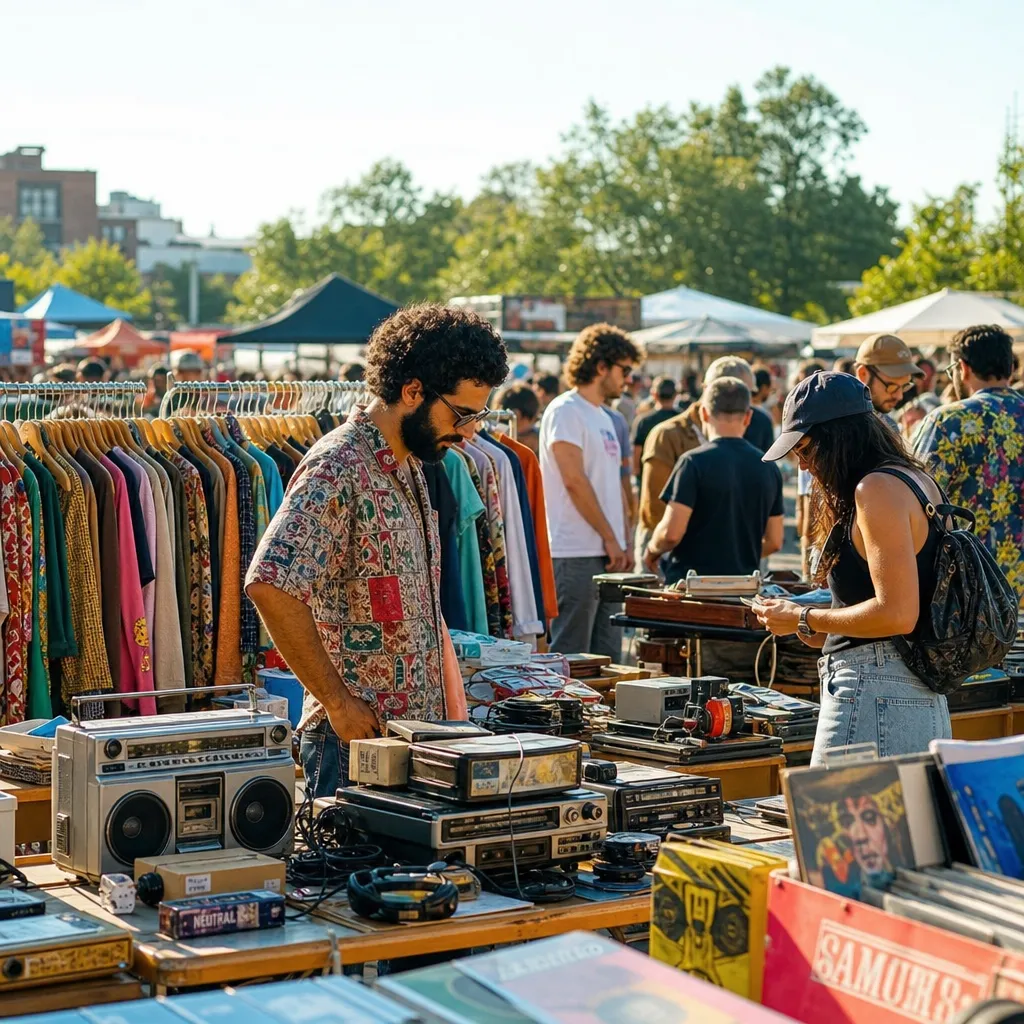
Every July I go through the same ritual: pulling up sold listings from the last 90 days, cross-referencing what's trending on TikTok and in fashion resale circles, and deciding what to actually spend my thrifting time on for the next few months. This year the pattern is unusually clear, and it lines up with what I'm seeing sellers post about in the reseller trend-tracking communities. A handful of categories are running hot right now, and a few longtime staples are cooling off enough that they're not worth the bin-diving time anymore.
This isn't a "everything vintage sells" post. It's a specific list of what's moving, what's stalling, and how to write listings that actually surface in search once you've got the item in hand.
What's Genuinely Hot Right Now
Y2K Everything
Low-rise anything, baby tees, mesh, butterfly prints, cyber accessories. This trend has had staying power for three straight years now, which tells you it's not a flash-in-the-pan TikTok moment, it's a real generational nostalgia cycle (Gen Z buyers weren't around for the actual Y2K era, which is exactly why it reads as fresh to them).
What to source: low-rise denim (any brand, condition matters more than label here), graphic baby tees, platform sneakers, mesh tops, anything with visible branding from early-2000s streetwear labels.
Listing tip: Lead your title with the decade and the specific item type buyers search for, like "Y2K Low Rise Baggy Jeans" rather than just the brand name if the brand isn't a recognizable name. Buyers browsing this category search by aesthetic first, brand second.
Corsetry and Structured Tops
Corset tops, bustiers, and boned bodices have moved from a niche alt-fashion category into mainstream closets over the last 18 months, driven by both runway influence (several major houses showed structured corsetry this year) and the continued Y2K overlap, since corset-style tops were a staple then too.
What to source: anything with visible boning or structure, satin and mesh corset tops, bustier-style bodysuits. Condition on the boning matters, check that it hasn't warped or poked through fabric.
Listing tip: Use "corset top" and "bustier" as separate keyword passes in your title and description, buyers search both terms and they don't always overlap in results.
Vintage Coach (Specifically the Old Serial-Numbered Bags)
This one's been building for a couple of years but it's hit a new gear. The specific segment that's moving is pre-2000s Coach with the brass serial number tag inside, not the newer factory-outlet-era bags. Buyers who know the category are specifically searching for serial numbers to verify authenticity and era, which means your photos and description need to show that tag clearly.
What to source: classic Coach totes, bucket bags, and satchels with the leather hangtag and stamped serial number, ideally in the classic British Tan or black leather.
Listing tip: Photograph the serial number tag as one of your primary images, not buried at image 8. Include the number in your description (not the title, eBay policy issues aside, it clutters the title unnecessarily) so buyers researching authenticity can find what they need without messaging you first.
Bucket Bags
Separate from the vintage Coach trend specifically, bucket bags as a silhouette are having a broad moment across price points, from designer to fast fashion. If you're finding bucket-style bags in any condition at thrift or estate sales, they're worth a second look right now even from lesser-known brands.
What to source: any bucket-shaped bag with a drawstring or magnetic closure, canvas or leather, mid-size especially (the oversized bucket bag trend from a few years back has cooled, mid-size is what's converting now).
What to Skip (For Now)
Not everything holds. A few categories that were reliable a year or two ago are showing real softness in sold data right now, and I'd deprioritize sourcing time on them this summer:
| Category | Status | Why |
|---|---|---|
| Skinny jeans (all brands) | Cooling | Silhouette shift toward wide-leg and Y2K low-rise has pulled demand away |
| Generic graphic tees (non-branded) | Flooded | Oversaturated category, too much competition for average sell-through |
| Basic crossbody bags (non-designer) | Slow | Bucket bags and structured totes are pulling attention away |
| Small kitchen electronics | Seasonal low | Typical summer slowdown, picks back up in Q4 gifting season |
This doesn't mean don't buy these at all if you find them dirt cheap and know your buyer base wants them. It means don't build a whole sourcing trip around them right now if you're trying to maximize turns per hour of thrifting.
Building Your Summer Sourcing Trip Around This
Here's how I'd actually structure a sourcing run based on this list. Estate sales and higher-end consignment or donation spots are your best bet for the vintage Coach and structured corsetry, since those tend to come from someone's older wardrobe or a curated closet rather than a fast-fashion donation dump. Thrift stores and off-price racks are better for Y2K basics and bucket bags, where volume matters more than a single high-value find.
If you're sourcing from liquidation pallets or bulk lots, this is a good summer to specifically filter for denim and handbag lots over general apparel mixes, since both categories are running hot and liquidation denim in particular tends to be underpriced relative to what individual pieces sell for once cleaned up and photographed well.
Keyword Cheat Sheet for This Summer
When you're writing titles and descriptions for anything in these categories, these are the terms buyers are actually searching (based on what's showing up in completed listing searches and trend trackers right now):
- Y2K, low rise, baby tee, cyber, mesh top, platform sneaker
- Corset top, bustier, boned bodice, structured top
- Vintage Coach, serial number bag, British Tan leather, brass hangtag
- Bucket bag, drawstring bag, mini bucket, structured tote
Don't stuff all of these into one title. Pick the two or three most specific terms that match the actual item and put them where buyers will scan first.
Reading Sold Data Instead of Guessing
One habit that separates sellers who catch trends early from sellers who catch them late: checking actual completed and sold listings before committing serious sourcing time to a category, rather than going off what's trending on social feeds alone. Social trend signals tell you what's culturally hot. Sold data tells you what people are actually paying for right now, and the gap between the two can be significant.
Before a sourcing trip, I'll spend 15 minutes pulling sold comps for the categories on my list. Specifically I'm looking at three things: how many sold in the last 30 days (volume), the spread between lowest and highest sold price (pricing power), and how fast items are moving from listed to sold (velocity). A category can be everywhere on social media and still have thin, slow sold data if supply has already caught up with demand. That's usually a sign you're a few months behind the actual trend curve, not ahead of it.
Right now, vintage Coach and structured corsetry both show strong velocity with a wide pricing spread, meaning there's room to differentiate on quality and photography and still find buyers at multiple price points. Y2K basics show high volume but a tighter pricing spread, which tells you it's a bigger, more competitive category where your edge comes from listing quality and speed to market rather than rarity.
A Note on Condition and Authentication
The higher-value end of this list, particularly vintage designer bags, comes with real authentication risk if you're new to the category. Learn the specific hallmarks for the era of Coach bag you're sourcing (stitching patterns, the exact font used on the serial tag, hardware finish) before you start buying at any real volume. A single miscategorized fake can cost you a strike on your account, not just a refund. If you're not confident authenticating yet, stick to sourcing from sellers or estate situations where provenance is clearer, and build your expertise gradually on lower-cost pieces before moving up to higher-value bags.
How ListForge Makes This Easier
Trend-chasing only pays off if you can turn a sourcing haul into live listings before the moment passes, and that's the part ListForge is built to speed up. You still make the sourcing calls, but once you're home with a bag of Y2K denim or a stack of vintage Coach bags, ListForge handles the mechanical work of getting them listed correctly.
- Category and item specifics done for you. ListForge fills in the exact leaf category and every required item specific automatically from your photos, which matters a lot in fashion categories where buyers filter hard by material, era, and style, and a missing specific can quietly tank your search visibility.
- Condition notes that build buyer trust. For vintage and pre-owned items, ListForge writes specific, honest condition notes (like noting hardware wear or a small mark on a strap) instead of vague "good condition" language, which matters even more in trend-driven categories where buyers are actively comparison shopping multiple sellers.
- Market-anchored pricing. Every price ListForge suggests is backed by real comparable sold data, so when a category is genuinely hot, you can see that in the comps and price accordingly instead of guessing whether the trend justifies a higher ask.
- Review before anything goes live. You always see the full listing before it publishes and can adjust anything, so speed doesn't come at the cost of control.
The whole point of catching a trend early is turning inventory into live listings fast, before everyone else catches on too. ListForge is built to close that gap.
Try ListForge free and get this summer's hauls listed while the trend is still hot.